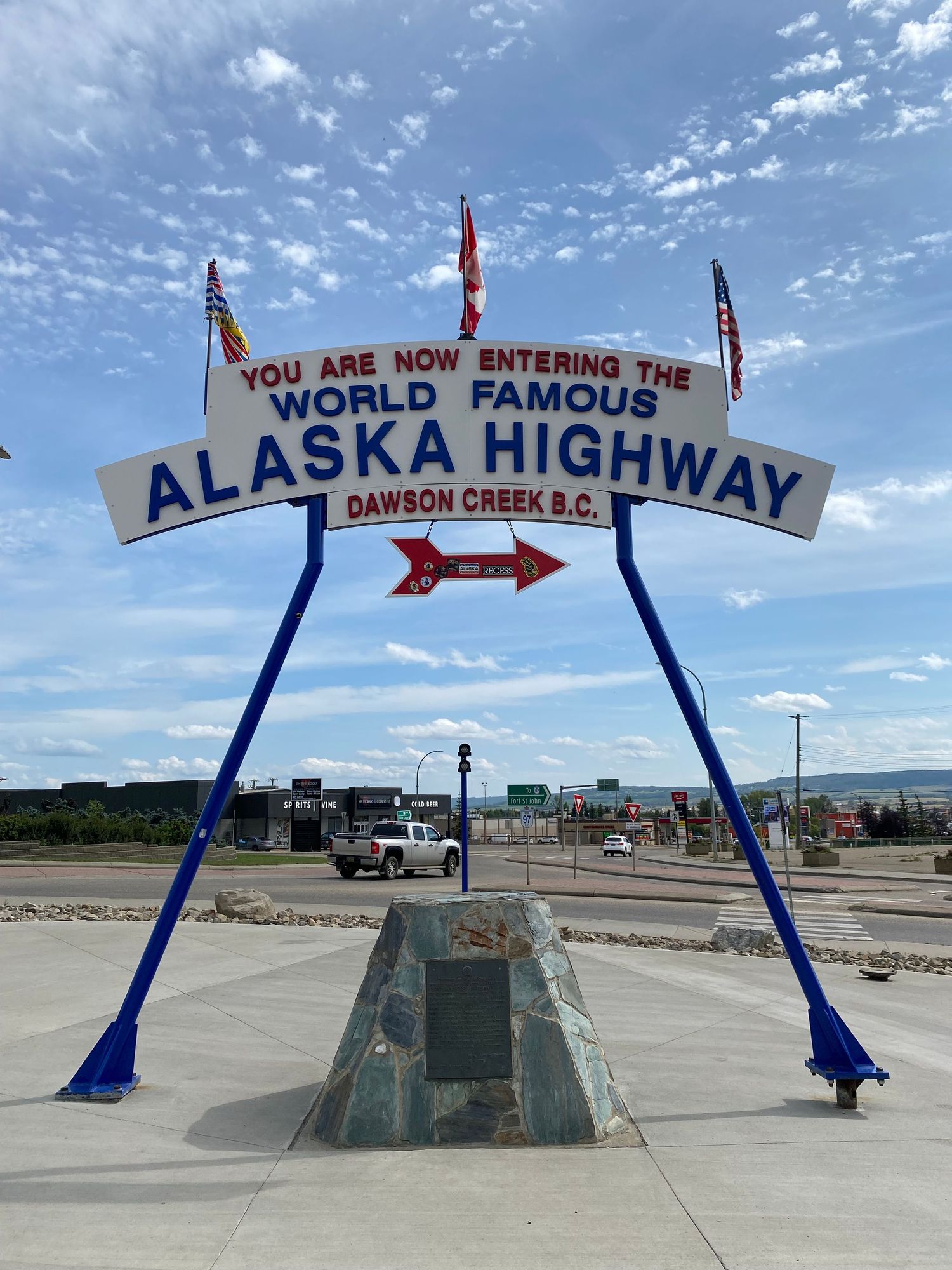
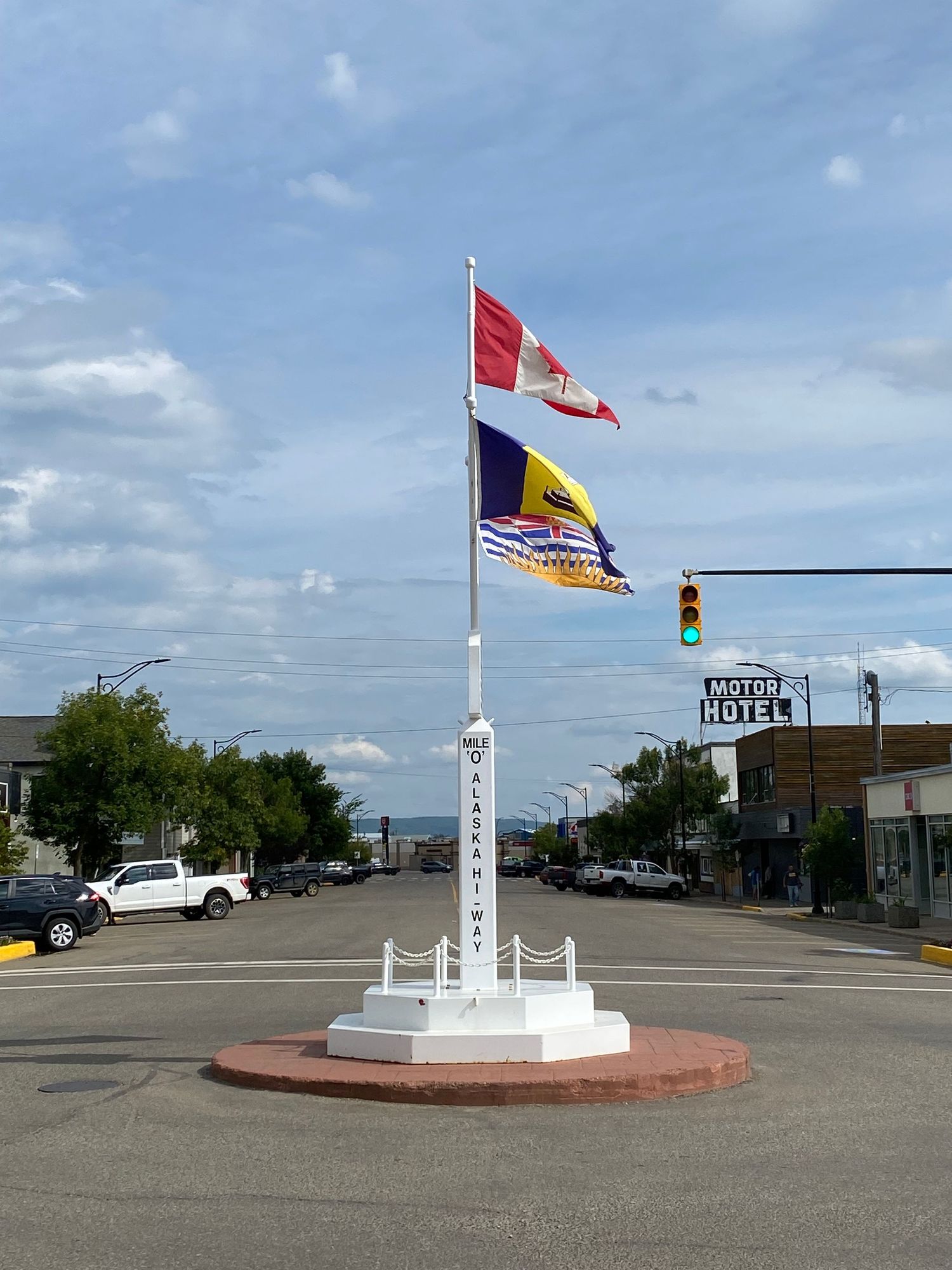
Almost 13 hours and approximately 1,200 km north of Kelowna, in Dawson Creek BC, the Alaska Highway begins its journey north toward Anchorage, Alaska.
At Mile 0, the adventure begins. Stretching through some of the most spectacular and remote landscapes of British Columbia and the Yukon, the highway offers countless opportunities to encounter wildlife along the way.
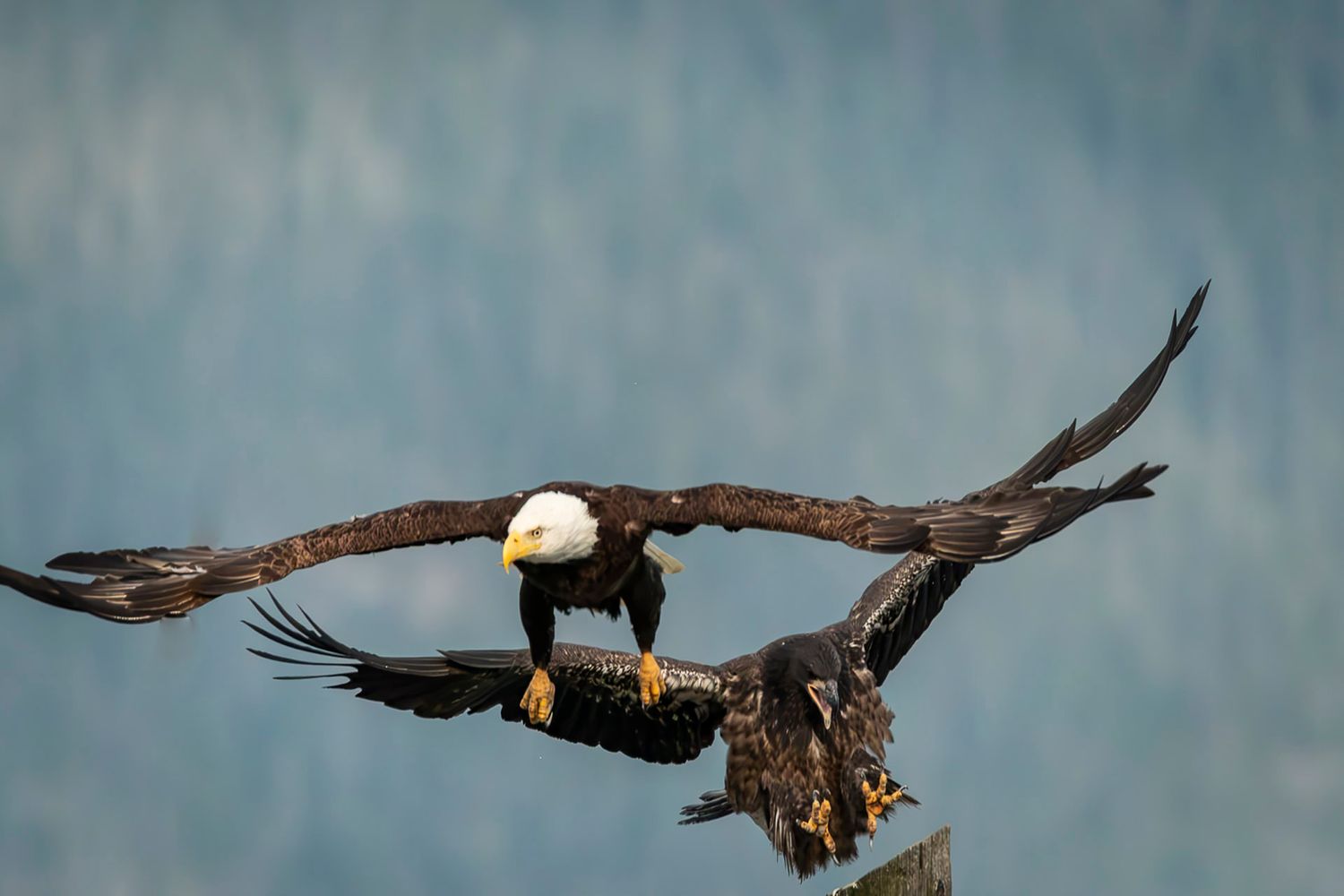
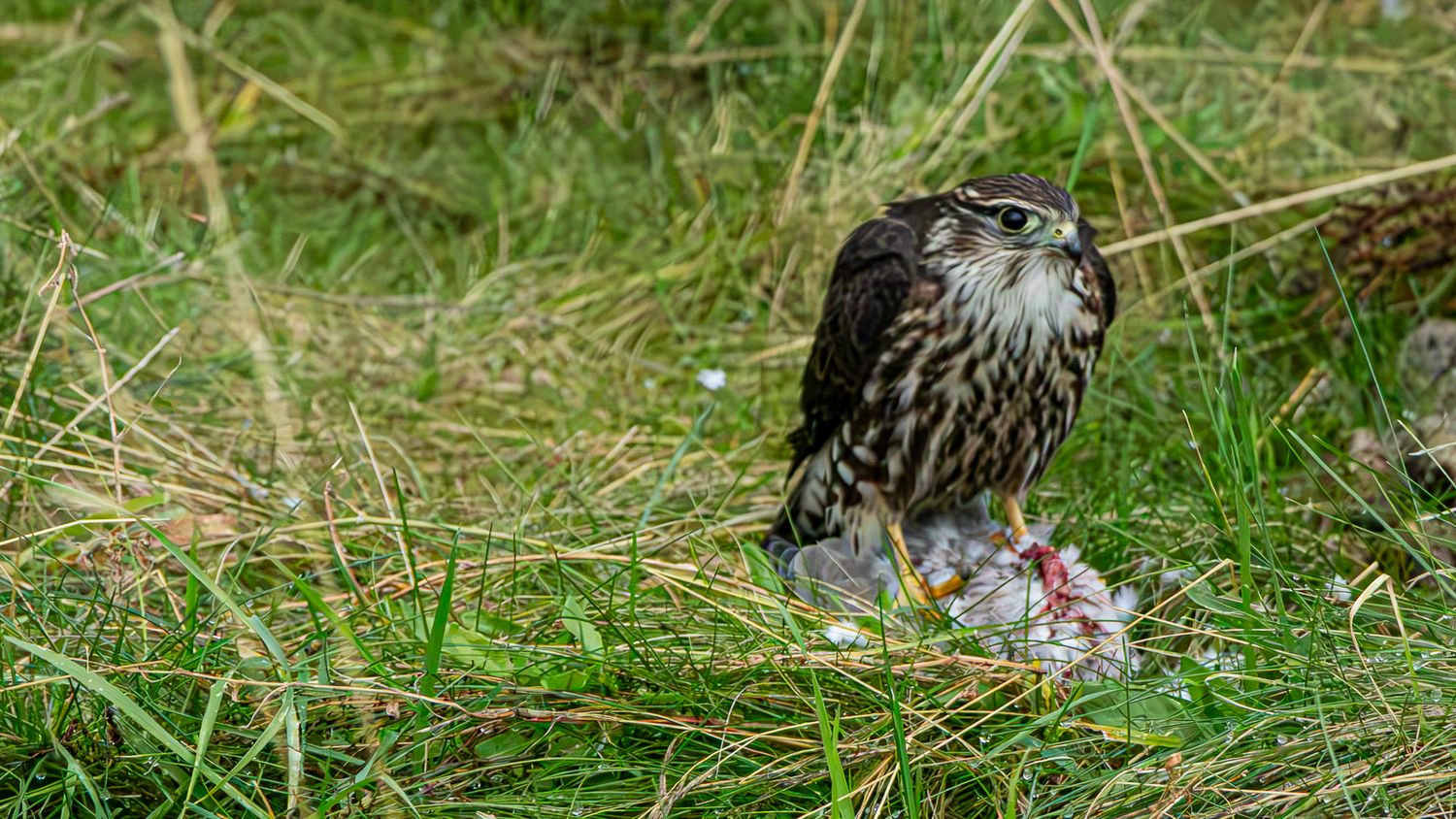
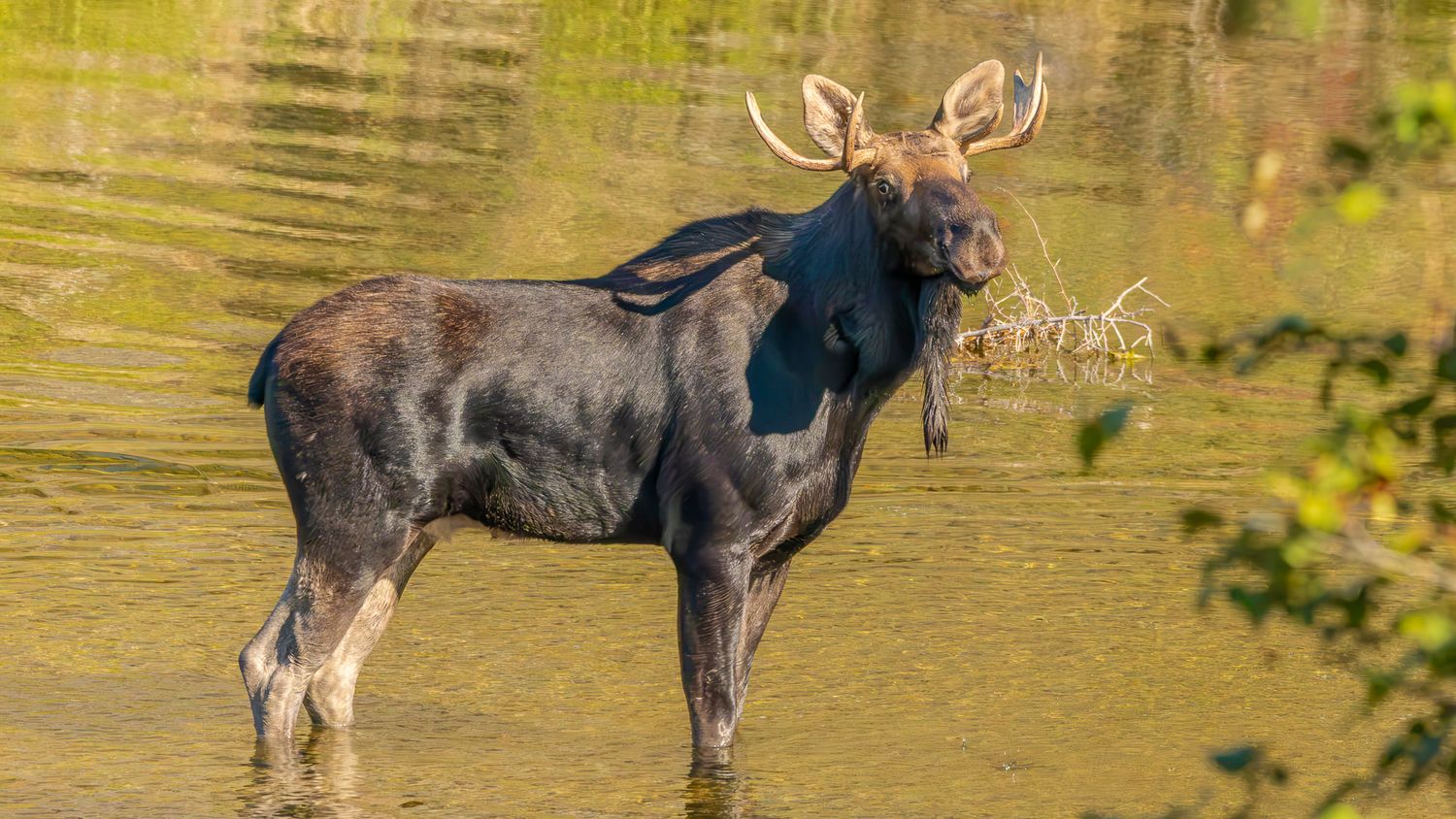
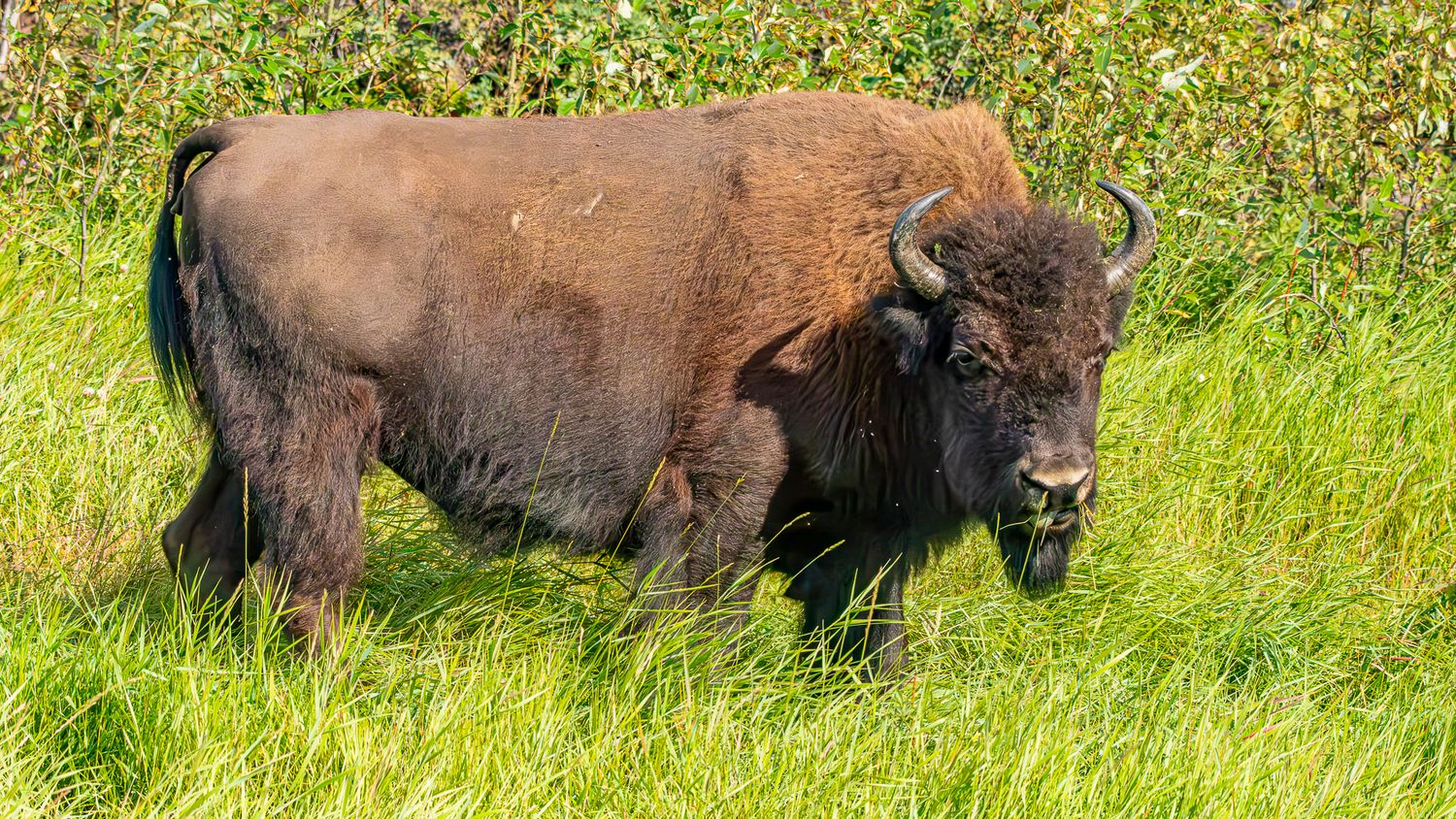
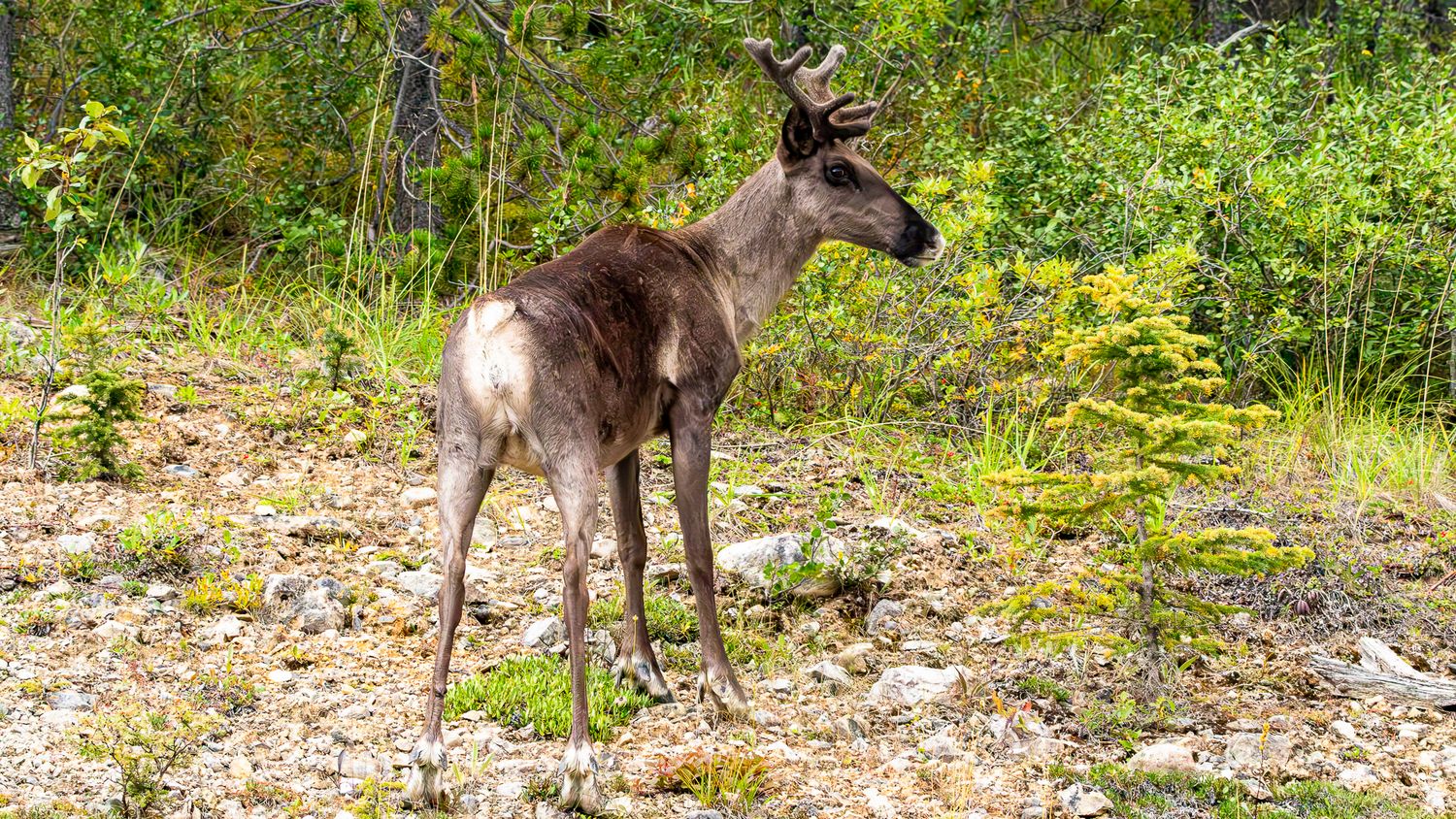
Here are some of the wildlife impressions captured along the Alaska Highway.
The Alaska Highway changes everything
The defining event in Dawson Creek's history occurred during World War II.
In March 1942, construction began on the Alaska Highway, with Dawson Creek selected as its southern starting point. Thousands of American and Canadian military personnel, engineers and civilian workers suddenly arrived in the small community. The population and local economy exploded almost overnight.
The original pioneer road was pushed through to Alaska in 1942, while the more permanent highway was completed in 1943.
Today, Km 0 of the Alaska Highway is officially at Dawson Creek.
This is why Dawson Creek is commonly known as "Mile 0 City."
The 1943 downtown fire
Dawson Creek's wartime boom also produced one of its most dramatic disasters. On February 13, 1943, an explosion destroyed an entire block of downtown. Because the community did not yet have a municipal water system, there was a serious danger that the fire would spread throughout the town. American Army personnel helped save the Co-op building, and merchandise was moved out of threatened buildings.
The destruction actually contributed to the modernization of downtown, as many businesses subsequently rebuilt with more permanent structures.
From town to city
After the war, Dawson Creek continued to develop as the commercial and transportation centre of the South Peace region.
Agriculture remained important, while transportation, forestry, energy and other industries expanded.
Dawson Creek was officially incorporated as a city on January 1, 1958, making it one of the first communities incorporated as a city during British Columbia's centennial year.
Dawson Creek today
The city's history is still very visible. Some of the most significant heritage sites include the Northern Alberta Railway Station, built in 1931, the surrounding railway park, pioneer buildings, and the Mile 0/Alaska Highway landmarks. The South Peace Historical Society has played a major role in preserving local history and archives.
South Peace Historical Society operates heritage facilities associated with the old railway station and local history.
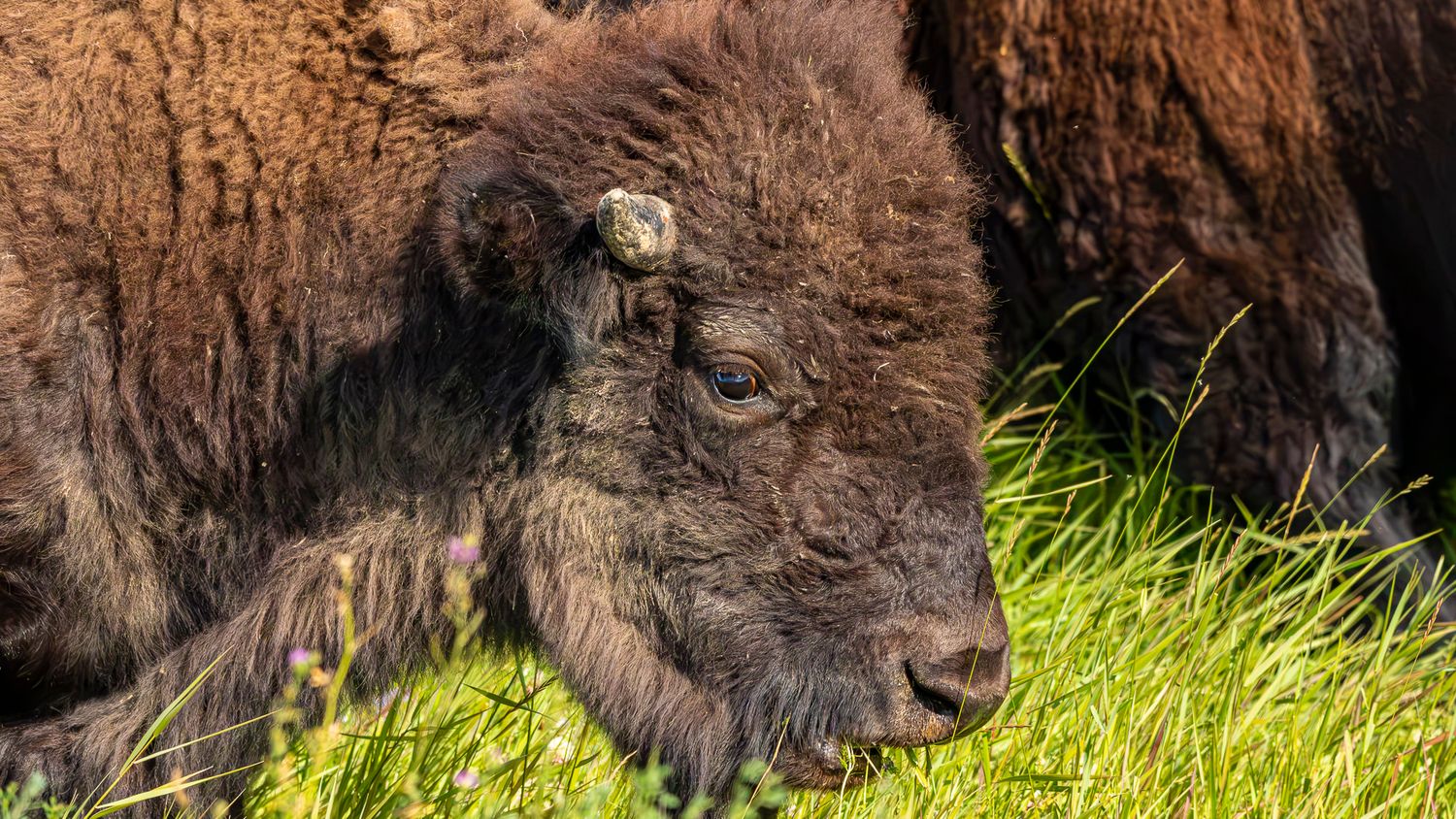
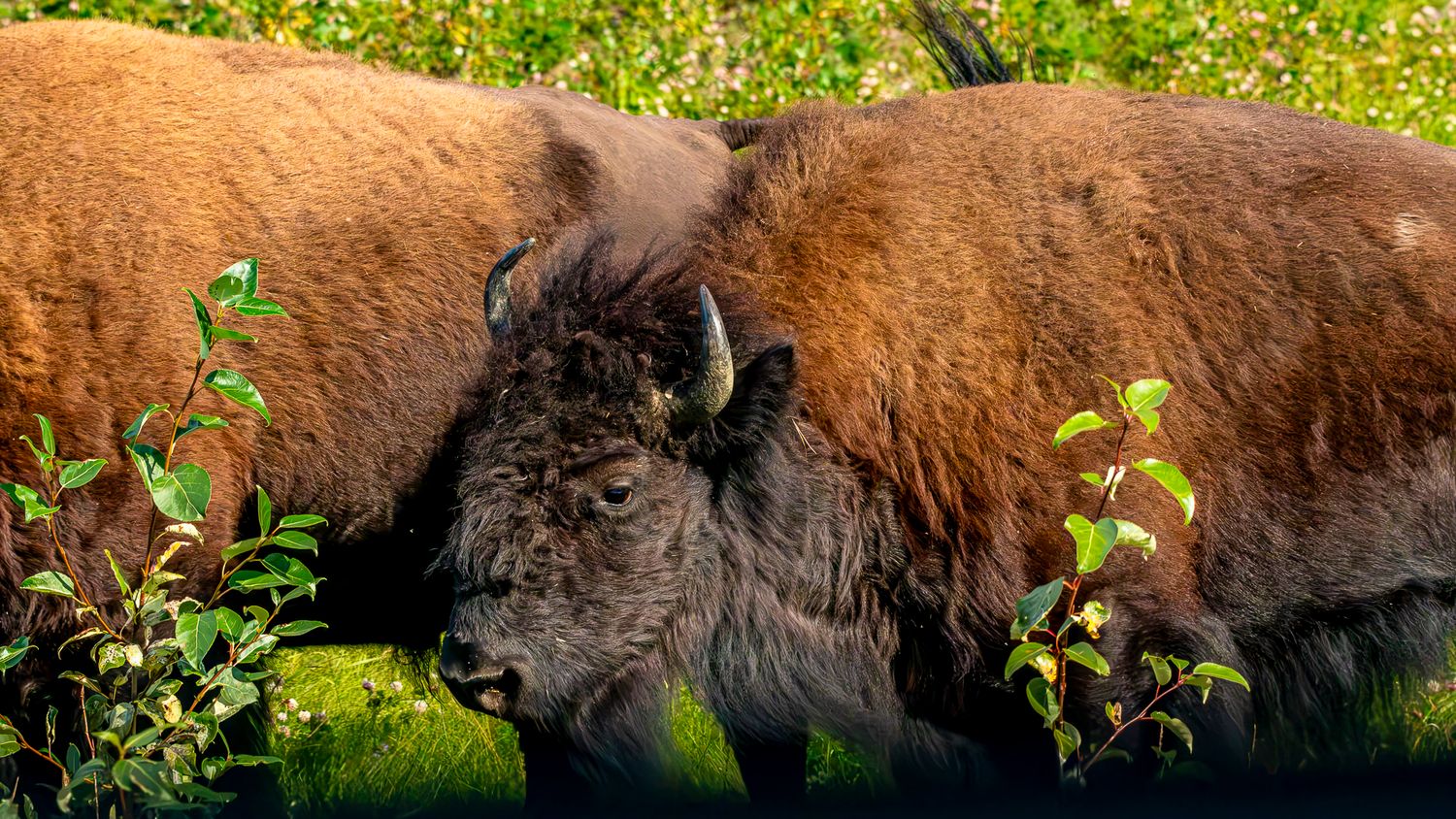
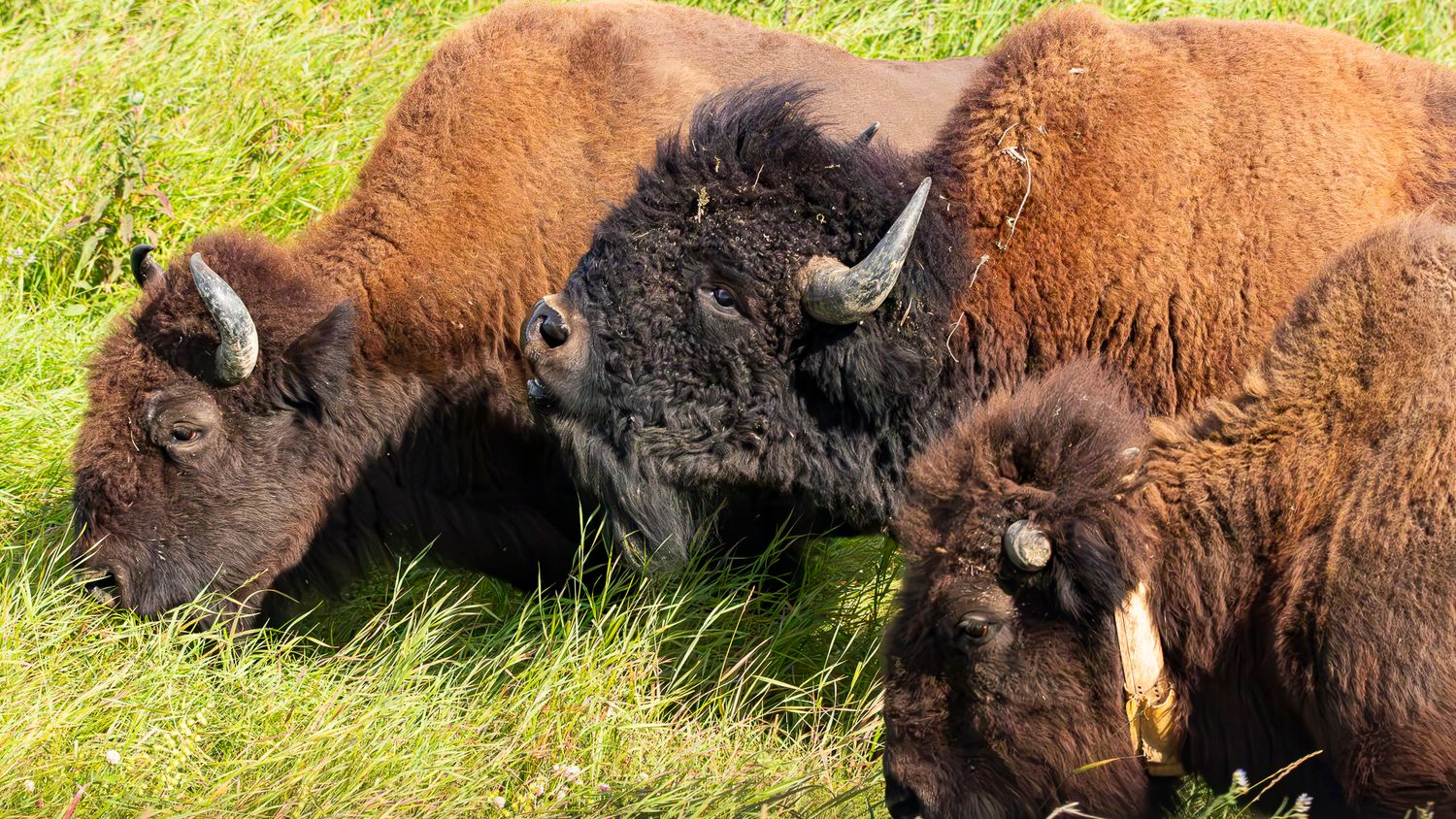
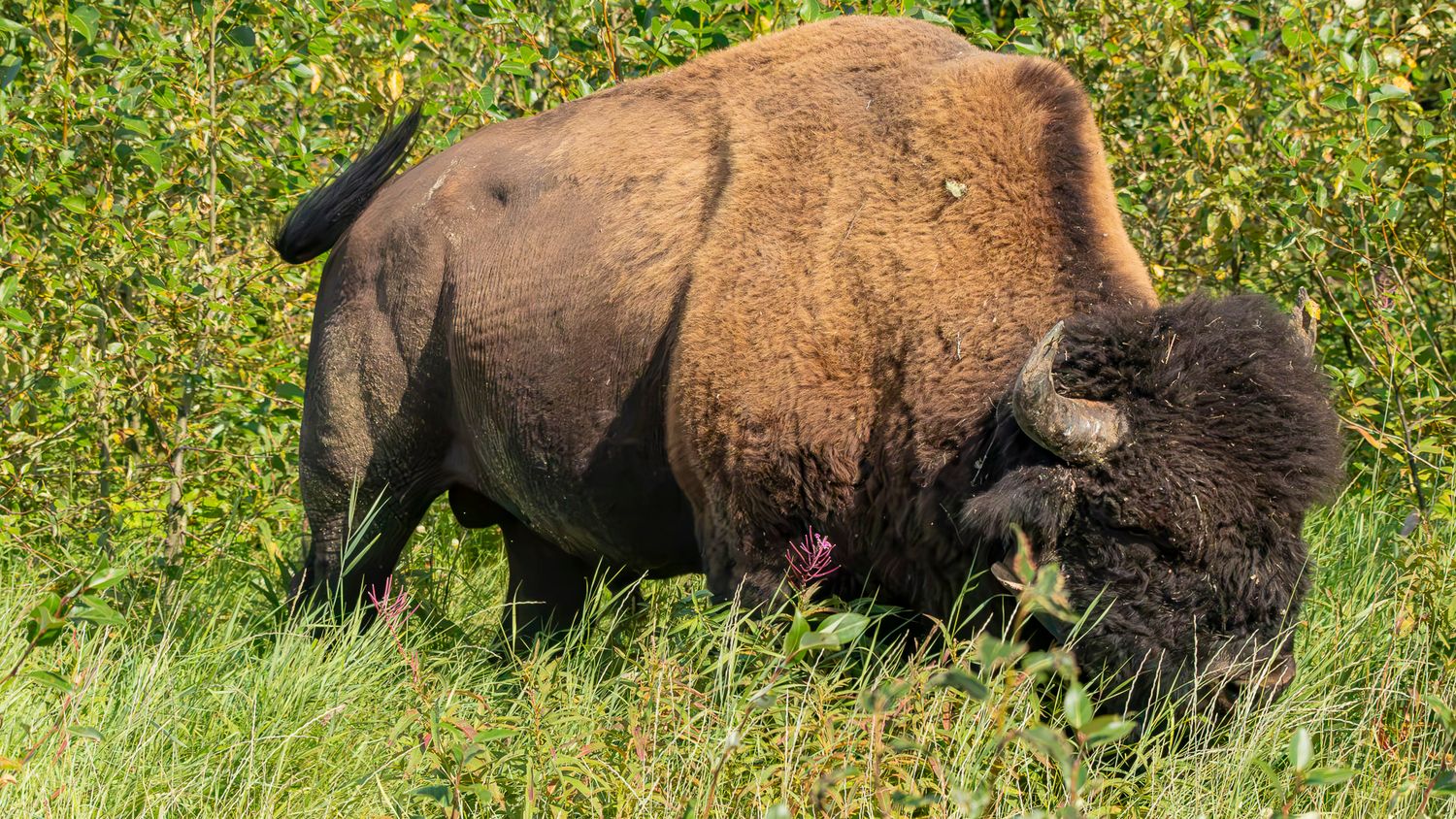
One of the most impressive wildlife sightings we had along the highway. A herd of 15 bison made us stop as they grazed on the right side of the road. These magnificent creatures may not be the prettiest animals on the planet, but they certainly took our breath away.
As we slowly rolled along, they seemed completely uninterested in us—until, suddenly, two of them started approaching our vehicle. We hit the brakes and quickly rolled up the windows, feeling a little safer as they crossed the road right in front of us.
It was one of those unforgettable moments that made the journey even more special.
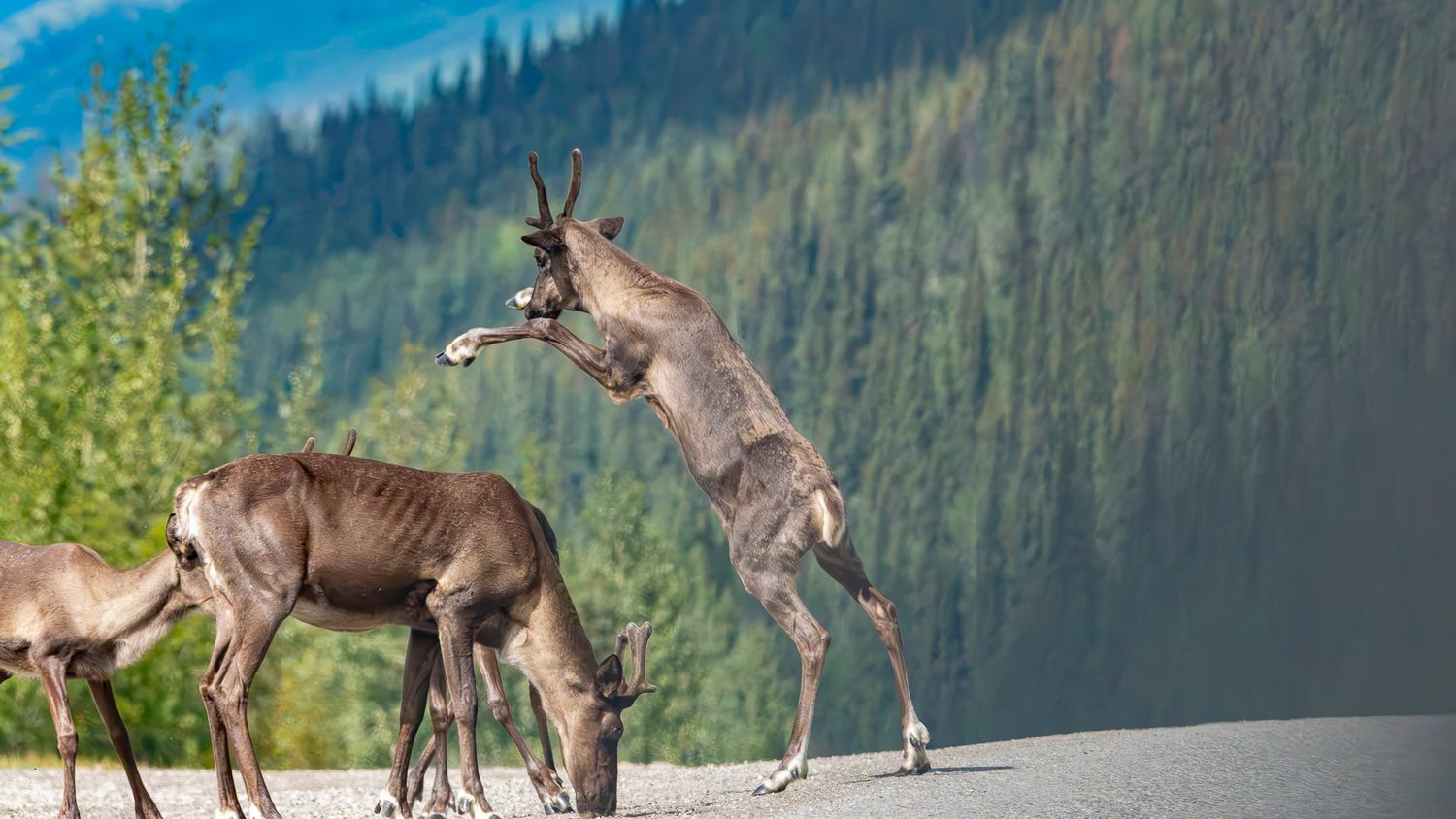
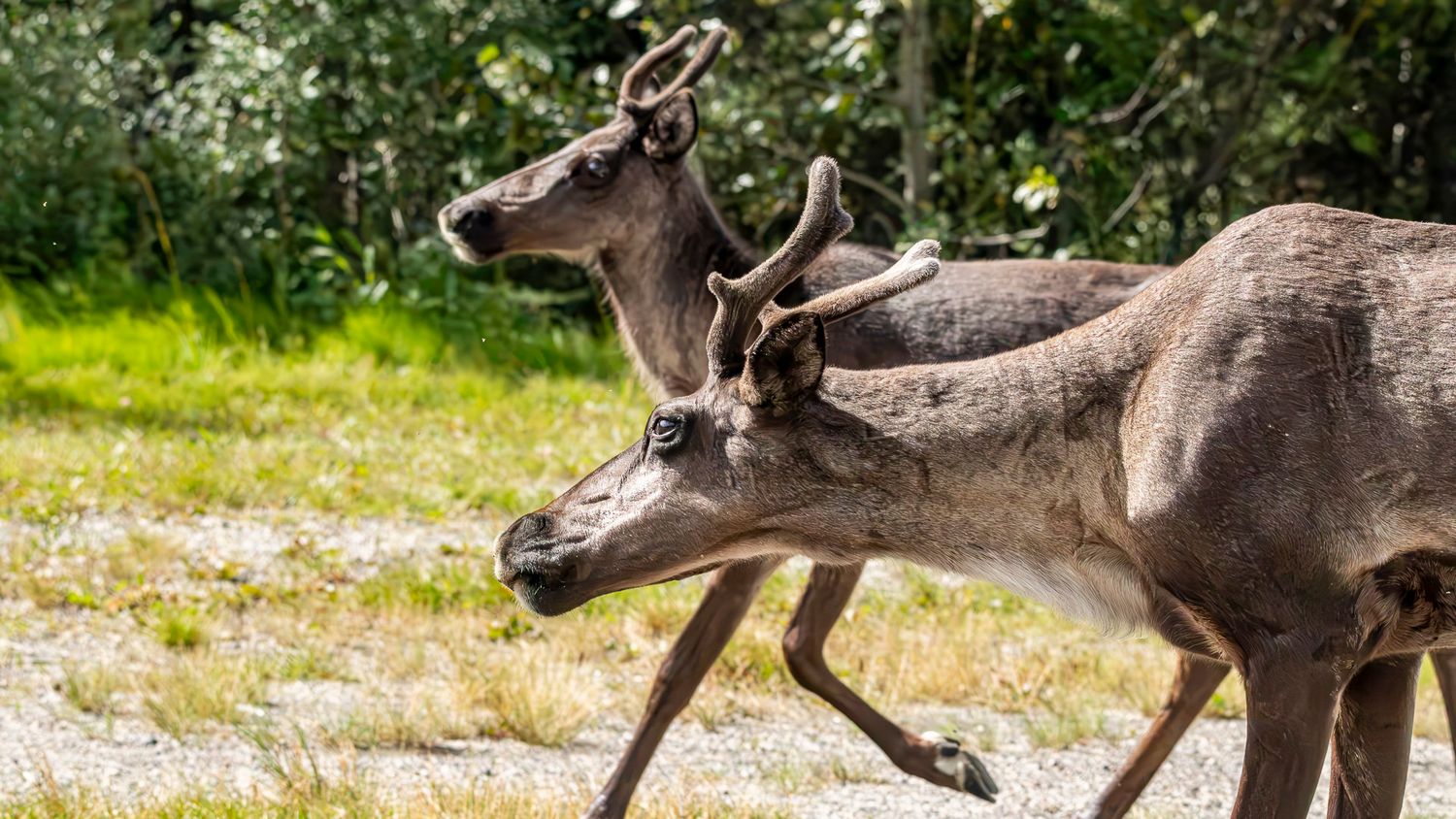
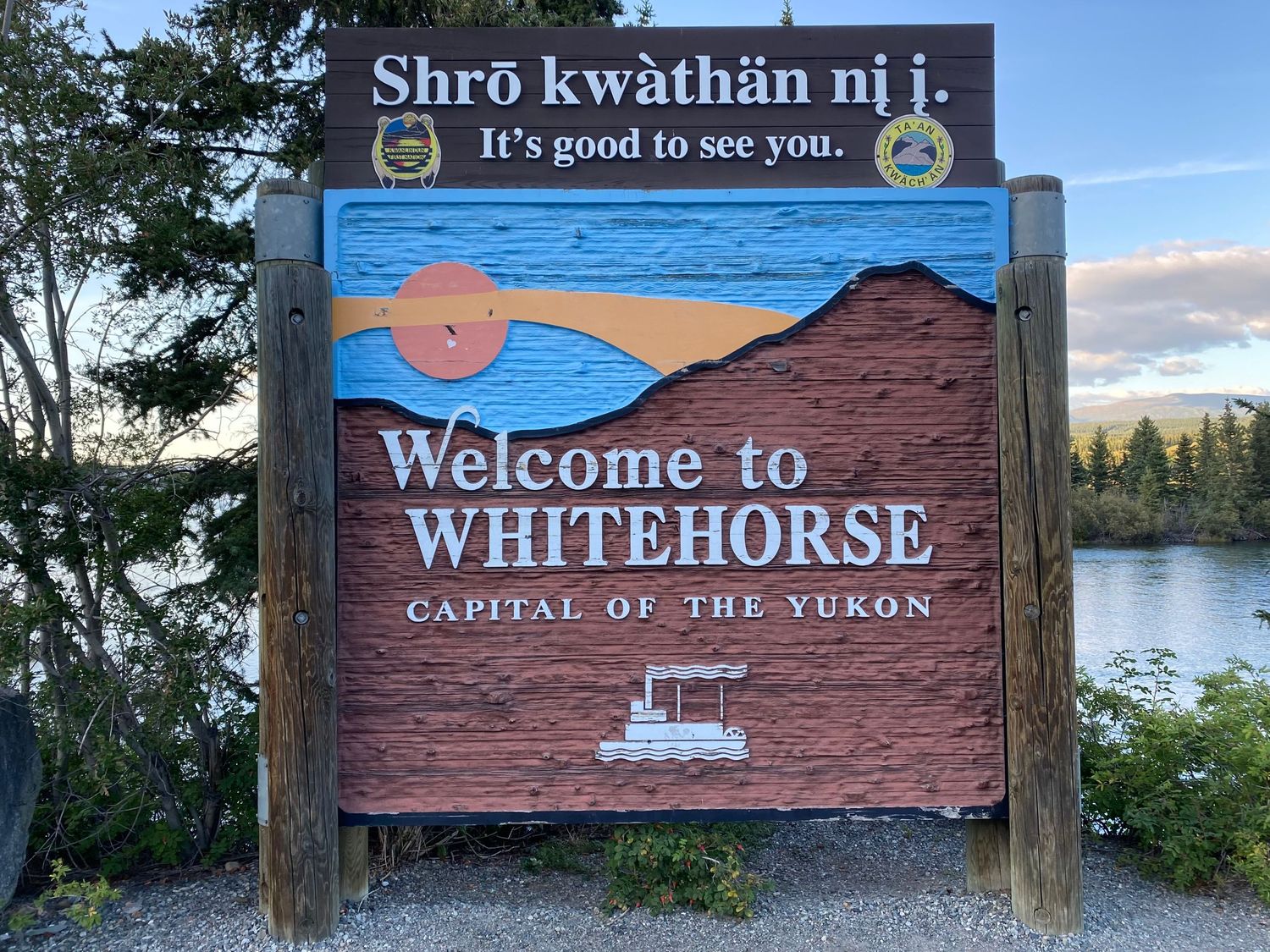
Unfortunately, we had to keep moving. With only one pit stop between Dawson Creek BC, and Whitehorse YT, we knew it was going to be a long day on the road. More than 15 hours on the Alaska Highway is no small journey.
But the breathtaking scenery made every kilometre worthwhile. Around every bend, another spectacular view appeared, leaving us in awe and reminding us why this incredible road trip was worth every mile.